
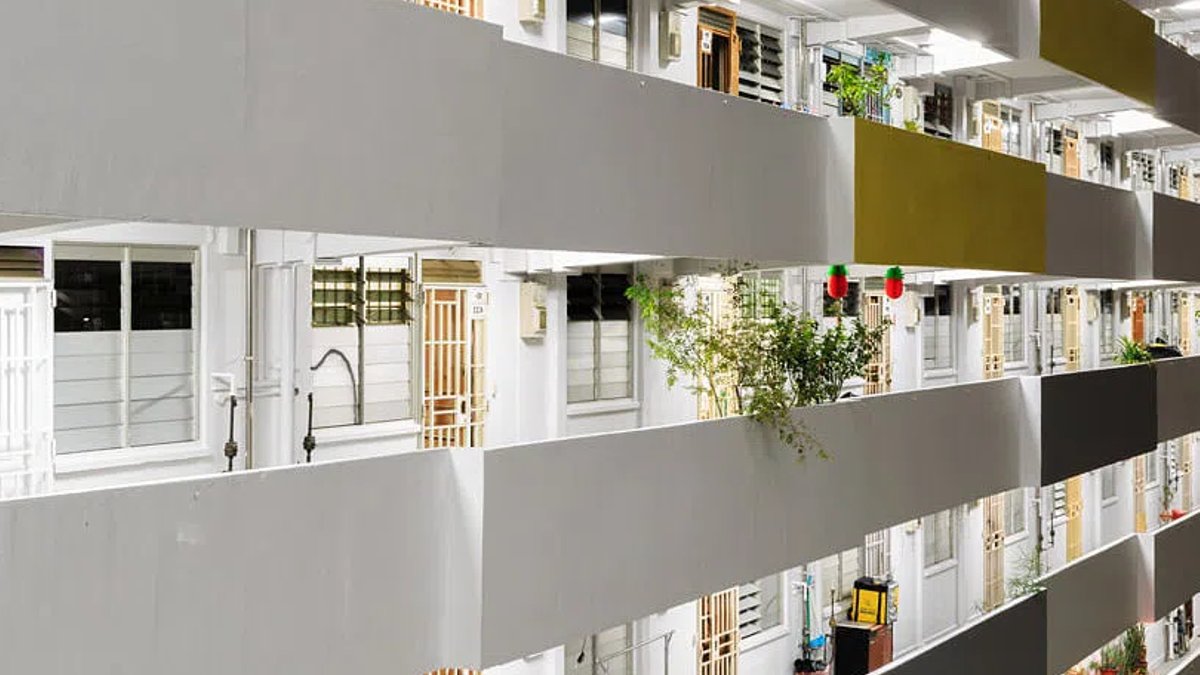
The concept of HDB Jumbo flats, which involve combining two adjacent HDB units into one larger flat, has gained attention among Singapore residents seeking more space. However, the process involves specific eligibility criteria, financial considerations, and administrative steps. Below is a detailed breakdown of the key aspects to consider when exploring this option.
Eligibility Requirements
To qualify for the Conversion of Adjoining Flats Scheme, applicants must meet certain family composition requirements. Married couples or families consisting of parents and children are eligible to purchase and combine two adjoining 3-room or smaller HDB flats. This restriction ensures that the scheme is primarily accessible to traditional family units.
Applicants must also comply with the Ethnic Integration Policy (EIP) and Singapore Permanent Resident (SPR) quota for the specific block and neighborhood. These requirements apply when submitting a resale application for the combined flat. However, if a resident already owns one flat and purchases the adjacent unit, the EIP and SPR quota do not apply, simplifying the process for existing HDB owners.
Read Also: Singapore haze forces households to seek cleaner, drier air solutions
Application Process and Renovation
Before purchasing the second flat, applicants must confirm the possibility of combination through HDB. This involves downloading and completing a specific PDF application form titled “Enquiry on Combination of Flats under the Conversion Scheme” and submitting it via HDB’s e-Feedback portal. Approval from HDB is required before proceeding with the purchase.
Following the purchase, the two units must be converted into a single flat by a licensed renovation contractor. This involves creating an opening of at least 1 meter by 2 meters between the two units. Additionally, a licensed contractor must remove the PUB meters (electricity, water, and gas) from one of the units to consolidate utility services.
Financial Considerations and Housing Loans
Applicants can secure a housing loan for the combined purchase of both flats, provided they meet the lender’s eligibility conditions. However, existing housing loans must be discharged before purchasing the adjoining flat. For loans from financial institutions, borrowers should consult their banker to determine the total loan amount required and ensure the current loan is settled prior to the purchase.
HDB loan applicants face stricter requirements. Since HDB does not provide additional loans to cover the existing loan balance, applicants must have sufficient funds to discharge their current HDB loan before purchasing the second flat. This financial burden makes HDB loan applicants more reliant on personal savings or alternative financing.
Read Also: CASA Opens Joo Chiat Hub for Seamless Home Renovations
Resale Rules and MOP
After conversion, the new combined flat must be occupied for at least five years from the completion date before it can be resold, in accordance with the Minimum Occupancy Period (MOP) policy. This applies even if the original flat was occupied for over a decade prior to the purchase of the adjoining unit. The MOP ensures that converted flats are not immediately resold, maintaining market stability.
Sellers who used a CPF Housing Grant for the original flat will be classified as second-timers and must pay a resale levy when selling the converted flat. Conversely, those who initially purchased a resale flat with a CPF Housing Grant are no longer eligible to buy another subsidized flat from HDB after conversion.
Conversion Irreversibility and Upgrading Costs
Once combined, the two flats cannot be split back into separate units or transferred to another owner as two distinct flats. This irreversibility is a critical consideration for applicants. Additionally, the payment for upgrading works in the block must be adjusted based on the flat type of the converted unit. If the purchase is completed before the block’s upgrading poll, the cost is based on the new combined flat type. If completed during or after the poll, the total upgrading cost for both original flats applies, potentially leading to unexpected expenses.


