
Gardeners looking to add a splash of exotic color to patios and decks can turn to tropical plants in containers, a strategy that delivers vivid foliage and striking blooms without the need for a permanent setting.
Choosing the right species for bold impact
Among the most eye‑catching options is the red Abyssinian banana (Ensete ventricosum ‘Maurelii’), which thrives as a single‑plant statement when placed in a well‑draining pot. Pairing it with supporting foliage such as geraniums (Pelargonium Caliente® Mix) and creeping Jenny (Lysimachia nummularia ‘Aurea’) adds contrast without detracting from the banana’s dramatic presence. They work equally well in formal settings and in more relaxed outdoor rooms, provided the container size matches the plant’s growth habit.
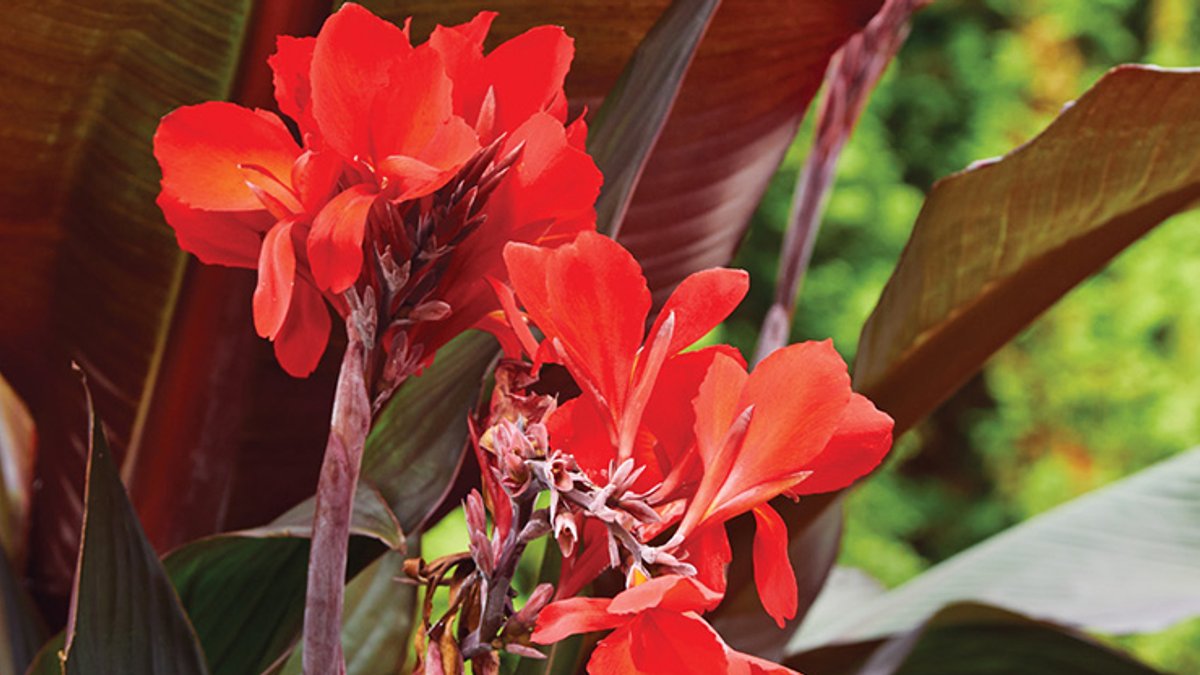
Another popular mix uses purple and yellow‑green tones to create a calming visual effect. A tall canna (Canna ‘Bengal Tiger’) can be complemented by licorice vine (Helichrysum petiolare ‘Lemon Licorice’) and a low‑lying verbena (Verbena canadensis ‘Homestead Purple’). The soft drape of verbena over the pot’s edge adds texture, while the licorice vine contributes a subtle, lemon‑scented backdrop.
Maintaining health through the seasons
Watering routines differ among species, but a common guideline is to allow the soil surface to dry slightly between thorough soakings. Overwatering can lead to root rot, especially in terra‑cotta containers that dry faster than glazed ceramic or plastic pots. For thirsty varieties, checking moisture before the foliage wilts helps prevent stress.
When night temperatures dip below 50°F, many tender tropicals can be moved indoors rather than discarded. Crotons, ivy (Hedera helix), and ficus (Ficus spp.) benefit from a sunny south‑facing window and higher humidity. Banana plants, whether grown as true bananas (Musa hybrids) or as ornamental bananas, can be treated like houseplants if space allows; otherwise, cutting the stems back to about six inches, placing the pot in a cool, dark area, and allowing the soil to dry out prepares the plant for a dormant period.
Related: 5 Garden Mistakes Attracting Pests
Bulb and tuber‑forming species such as elephant ear, caladium, and canna can be dug up after frost kills the foliage. The tubers should be brushed clean, dried for up to a week, then stored in slightly damp peat moss at around 45°F. This method preserves the plant for replanting in the following spring, turning a seasonal loss into a reusable asset.
The effort of moving pots indoors or storing tubers is offset by the visual payoff of having mature, established plants return year after year.
Gardeners can also consider choosing window blinds that filter the sun to create a suitable environment for tropical plants indoors.
Overall, the combination of dramatic foliage, lively flowers, and the option to overwinter tender specimens equips gardeners with a versatile toolkit for creating enduring tropical‑style displays.


