
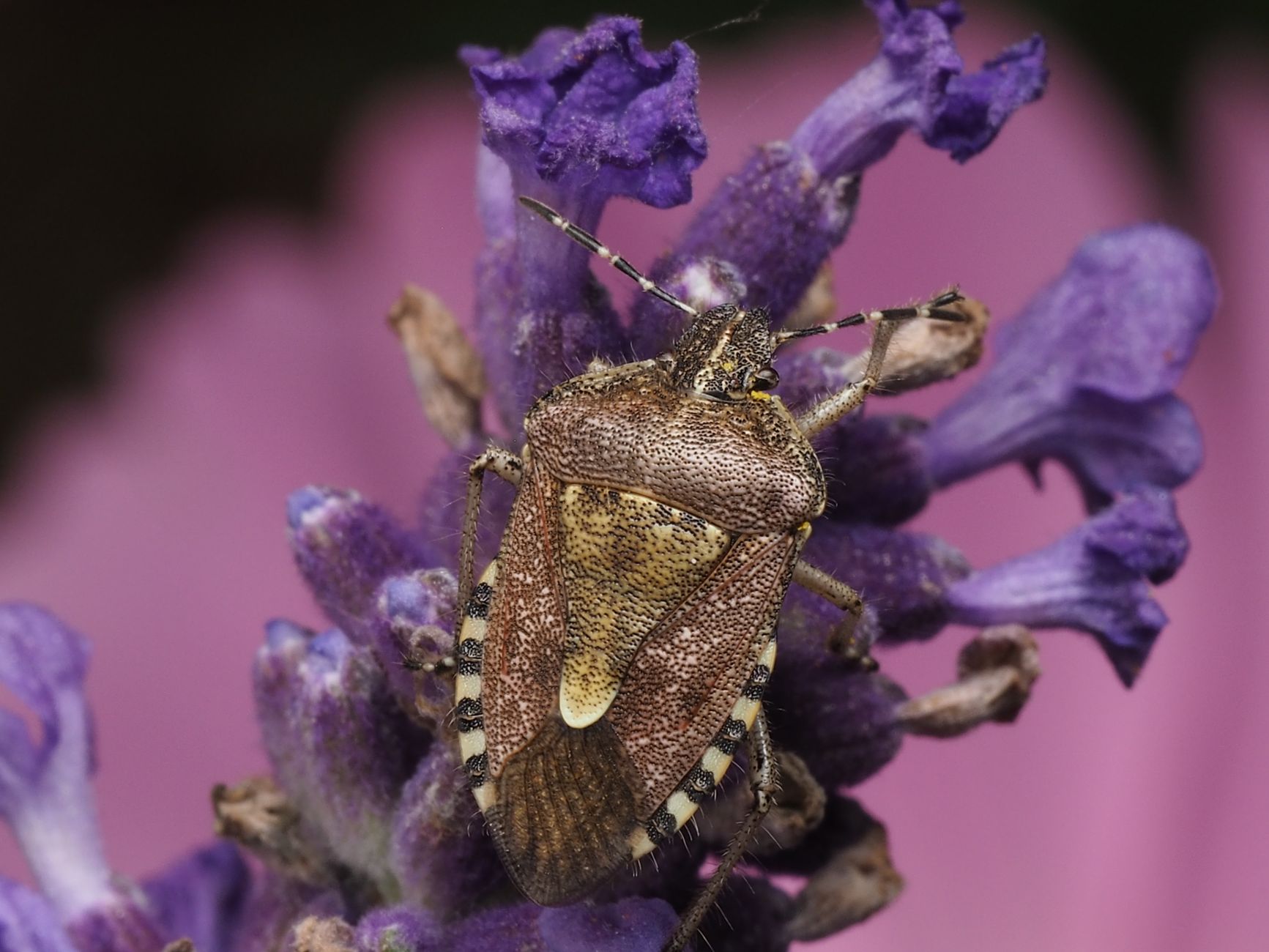
Even experienced gardeners make mistakes that invite pests. Discover five common problems and easy fixes to keep your garden healthy.
Nothing makes a gardener’s stomach drop quite like walking out to water one morning, only to find the leaves on the plants you worked so hard to grow are wilting and yellow — or worse. While it certainly feels like garden infestations pop up overnight, more often than not, they build slowly as well-intentioned gardening habits create an environment tailor-made for unwelcome pests and pathogens.
Without realizing it, even seasoned gardeners can create the perfect storm of shelter, excess moisture, stressed plants and predictable food sources that draw pests in. The good news is that small changes in how you care for your plants can keep your garden from becoming a bug-and-bacteria buffet.
Improper Mulching Techniques
Mulch is the underappreciated workhorse of the garden. When applied correctly, it conserves moisture, moderates soil temperature, suppresses weeds and helps reduce the spread of disease. However, misapplying mulch can create a host of problems.
For example, excess mulch can trap moisture and create ideal habitats for slugs, fungi and rot — especially when piled against stems or trunks. “Mulch volcanoes” are a common culprit, as are heavy mulch layers around moisture-loving plants like hostas. Too little mulch can also stress plants by creating uneven moisture levels in the soil and allowing weeds to compete for water and nutrients.
Related: Is Stamped Concrete Good for Your Driveway?
Watering at the Wrong Time
Evening watering often means foliage and turf stay wet overnight, creating ideal conditions for fungal diseases and some insects. Lawns are especially susceptible — diseases such as brown patch and dollar spot thrive with too much moisture.
Ornamentals aren’t immune, either. Prolonged leaf wetness can lead to powdery mildew, leaf spot diseases, root rot and increased pest activity on popular picks such as garden phlox, bee balm and zinnia. Watering earlier in the day, ideally in the morning, allows plants to absorb moisture while giving foliage time to dry before nightfall.
Rotating Crops and Sites
Many pests and diseases are specific to certain types of plants and can hide in the soil between growing seasons. Replanting the same plants in the same location allows problems to recur and even intensify.
Avoid planting tomatoes or peppers where you previously had disease issues, and keep cucumbers, squash and melons away from the site of a squash bug infestation. If you dig out your garden phlox because of a powdery mildew infestation, don’t plant more in the same spot. Same goes for black spot on roses or rust on hollyhocks. Rotating vegetable crops disrupts pest life cycles by removing their preferred hosts. Even simple swaps — moving plants to a different bed or section each year — can significantly reduce recurring issues.
Timing Your Planting
Many insects emerge and feed during early planting periods. While it’s hard to resist the temptation to get a jump on the growing season, plants put in the ground too soon may be exposed to peak pest activity before they’re strong enough to withstand the damage.
Related: Reveling in Sensual Elegance: The Enigmatic World of Latex Clothing
Bean leaf beetles often target early-planted green beans, while beans planted a few weeks later may escape the worst damage. Cucurbits planted at the first hint of warm weather can also be more vulnerable to squash bugs and cucumber beetles. Early planting can negatively affect flowers, too. Tender annuals such as petunias or impatiens planted when nighttime temperatures are still regularly in the 40s and 50s (F) may grow slowly, producing soft new growth that attracts aphids.
Leaving Debris Over Winter
Many perennials, ornamental grasses and shrubs can provide critical shelter and food to animals throughout the colder months. However, sometimes leaving behind dead leaves and spent annuals provides insulation that allows insects, eggs, larvae and diseases to survive the winter. When spring arrives, those pests and pathogens are already in place to infest new growth.
For example, in vegetable gardens, squash vines left in beds can harbor squash vine borer eggs, while tomato debris may bring blight spores from one growing season to the next. Peony foliage can contain botrytis blight (gray mold), and diseased rose leaves can carry black spot through winter. Breaking the cycle by removing infected material before the snow flies helps. While you can compost or leave most healthy debris in place, you should discard anything that looks suspicious.
Protecting Your Soil
Healthy soil is the foundation of a resilient garden. If your soil lacks the necessary organic matter, it may struggle to retain water or support the biological activity needed to fight off pests naturally. A dense, compacted soil structure can also restrict root growth, making plants more vulnerable to stress and disease. Adding organic amendments like compost can improve drainage and aeration, creating a healthier environment for roots to expand.
Some gardeners worry that tilling the soil will bring dormant pests to the surface, but tilling actually buries organic debris that feeds soil microbes. A well-balanced soil ecosystem suppresses disease-causing organisms and encourages beneficial insects. For those looking to enhance their garden’s natural defenses, exploring options like deer resistant flowers can provide an additional layer of protection, as these plants often require less maintenance and are less likely to attract browsing pests.


