
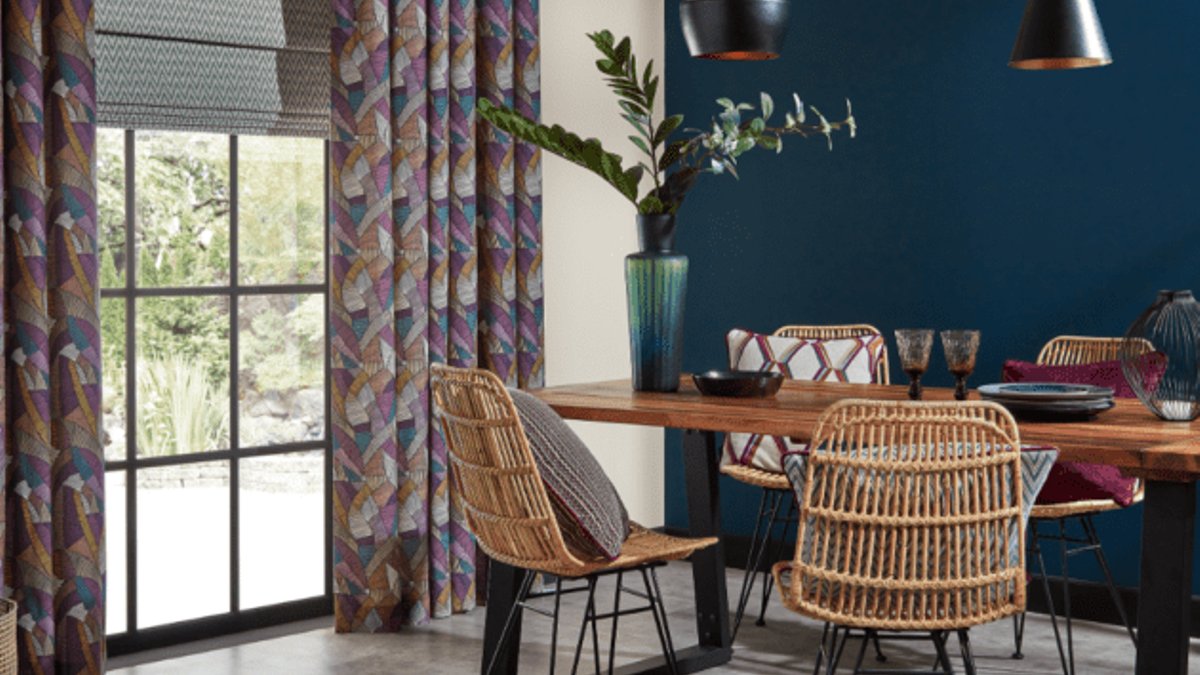
As temperatures rise across the UK, homeowners are seeking ways to keep their homes cool. Window stacking has emerged as a trending solution, offering a cost-effective alternative to air conditioning. This method is particularly appealing as it addresses the growing concern over energy consumption and costs associated with traditional cooling systems.
According to The Guardian, over 4 million UK homes now have air conditioning, double the number from 2023. However, many are hesitant to invest in a system that’s only used for a few weeks annually, especially given the environmental impact and high energy costs associated with air conditioning units.
What is window stacking?
Anthony Threlfall, head of marketing at Everest, explains that window stacking involves layering three types of window coverings to block heat, control light, and improve comfort. This method combines a heat-blocking layer, a light-diffusing layer, and a heat-control layer, providing greater control over temperature and airflow.
Anton Neike, CEO at Taupia, advises opening windows on opposite sides of a two-storey home to create a natural airflow. By opening lower windows on the cooler side and upper windows on the opposite side, hot air can escape, and cool air can enter. This cross-ventilation strategy is particularly effective in multi-level homes, where it can facilitate a continuous flow of air, enhancing cooling efficiency.
Effective window stacking techniques
Debbie Leigh, design manager at ILIV, recommends using a combination of sheer fabrics, blinds, and curtains for optimal results. Sheer fabrics diffuse sunlight, while blinds and curtains provide insulation and heat control. This layered approach allows for flexibility, enabling homeowners to adjust to changing temperatures throughout the day. Additionally, the choice of materials can significantly impact the effectiveness of window stacking; lightweight, breathable fabrics are ideal for allowing air circulation while blocking heat.
Experts caution against common mistakes, such as opening windows during the hottest part of the day or using heavy fabrics that trap heat. Ross Evans, co-founder of ShuttersUp, emphasizes the importance of choosing materials that reflect heat and avoiding overcrowding windows with too many layers.
The top sash of upper windows should be opened to let warm air out, while the bottom sash of lower windows allows cool air in. This technique is particularly effective in two-storey homes, where first-floor windows on the windward side and second-floor windows on the opposite side can be utilized.
Maximizing Window Stacking Efficiency
To maximize the effectiveness of window stacking, it’s essential to consider the timing and materials used. Anton Neike emphasizes that the technique works best when the outside air is cooler than the inside air, typically during early mornings and late evenings. Opening windows during the hottest part of the day can have the opposite effect, letting hot air in and increasing indoor temperatures.
Material selection is equally important. Debbie Leigh advises against using heavy fabrics, which can trap heat instead of diffusing it. She recommends a combination of sheer fabrics, blinds, and curtains, ensuring each layer serves a specific purpose. Ross Evans warns against overcrowding windows with too many layers, which can hinder usability and reduce airflow.
Window Stacking and Home Ventilation
While window stacking is designed to improve comfort during hot weather, it also plays a role in enhancing home ventilation. Debbie Leigh explains that layered window dressings, when used thoughtfully, can maintain airflow while managing heat and light. Flexibility is key—homeowners should be able to adjust curtains, blinds, and windows easily to respond to changing temperatures and breezes. This adaptability ensures that the home remains comfortable throughout the day, even as external conditions fluctuate.


