
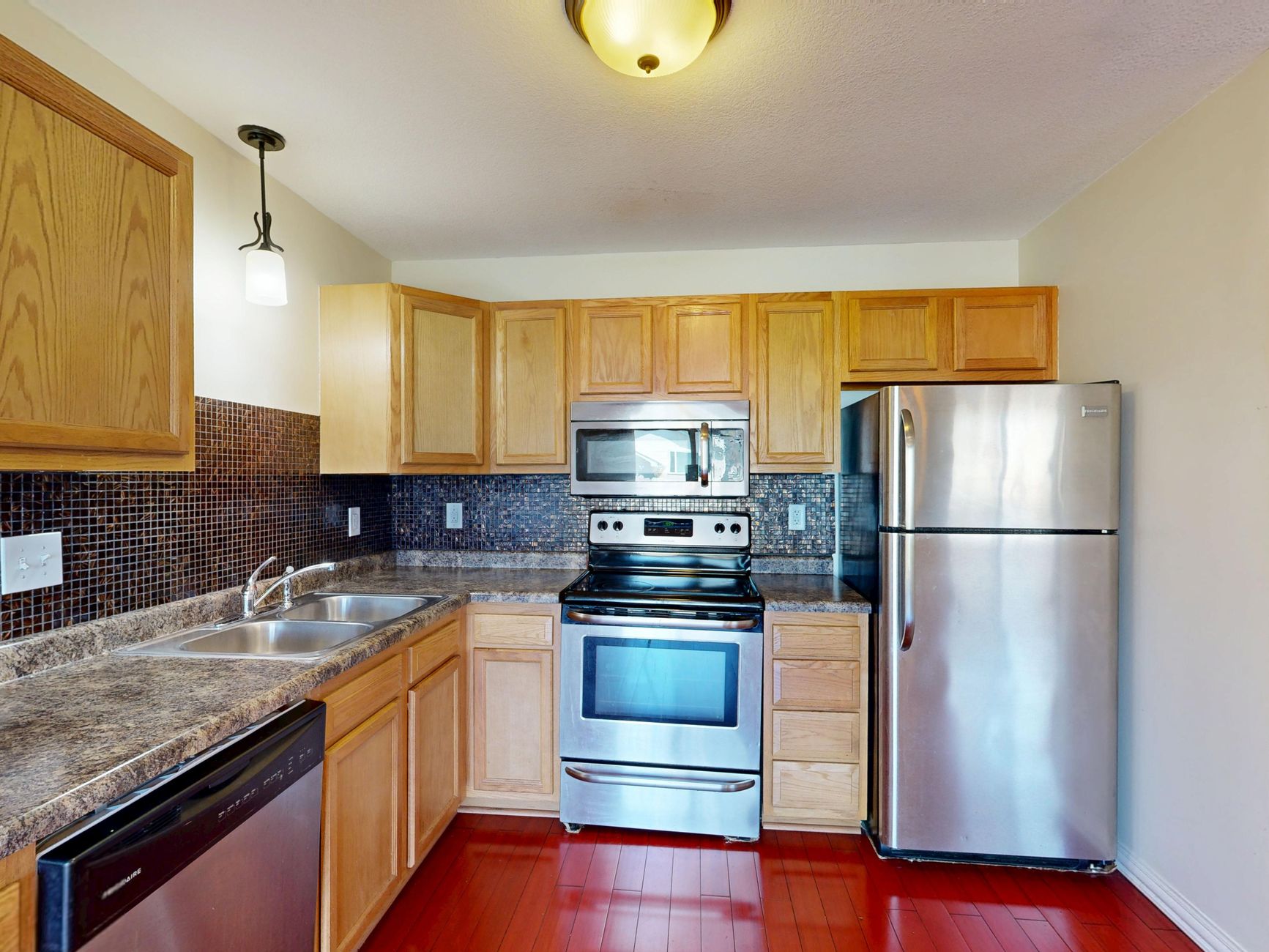
Kitchen cabinets set the tone of a home. Change them, and the whole space feels new. The question is how to change them: refacing or replacing? Both can deliver a fresh, functional kitchen; they just do it in different ways. Here’s a clear, no-nonsense guide to help you pick the right path.
What cabinet refacing actually is
Refacing keeps your existing cabinet boxes. You:
- Install new doors and drawer fronts
- Apply matching veneer or laminate to visible box faces
- Swap hardware (hinges, pulls) and often add soft-close features
- Optionally update crown, light rail, toe kicks, and end panels
Good fit when: your cabinet layout works, boxes are structurally sound, and you mainly want a style refresh—color, door profile, hardware, and a cleaner overall look.
Pros
- Speed & less mess: Often done in days, with minimal demolition and dust.
- Lower waste: You’re not sending full boxes to the landfill.
- Cost-efficient style change: Big visual impact without a full tear-out.
Cons
- Layout is locked: Same footprint, same internal dimensions.
- Box quality matters: Weak, water-damaged, or particleboard boxes can’t be “saved” with new skins.
- Limited upgrades: You can add roll-outs or organizers, but structural changes are minimal.
What cabinet replacing involves
Replacing removes old boxes and installs new ones—stock, semi-custom, or custom—along with new doors, drawers, and panels. It can be a like-for-like swap or a full redesign.
Great fit when: you want to change layout, gain storage, improve accessibility, or address damaged, sagging, or poorly built boxes.
Pros
- Total flexibility: Rework the triangle, add a pantry, extend to the ceiling, fix awkward corners.
- Durability upgrade: Plywood boxes, better joinery, full-extension soft-close drawers.
- Integration potential: Easier to add built-ins, appliance panels, and improved lighting.
Cons
- More disruption: Tear-out, wall repair, flooring patches, and a longer timeline.
- Higher cost: New boxes, finishes, and potentially electrical/plumbing adjustments.
- Scope creep risk: Once walls are open, it’s tempting to keep going.
How to decide: a quick framework
Ask these five questions and be brutally honest:
- Are the existing boxes solid?
Open a door and press on the side panel; look for flex, swelling, or delamination near the sink. If boxes are sturdy, refacing stays on the table. If not, replace. - Does the layout work—really?
Crowded prep zones, blocked appliance doors, zero recycling space… If daily use is annoying, replacement with layout changes will pay off every single day. - What’s your timeline tolerance?
Hosting in a few weeks? Refacing. Willing to live with a temporary kitchen and contractors for longer? Replacement. - How much finish change do you want?
Refacing can deliver dramatic style shifts—shaker to slab, dark to light, matte to high-gloss. But if you crave tall uppers, glass displays, or open shelving reconfiguration, replacing wins. - What’s your total project plan?
New counters, sink, and backsplash pair well with either route. But if flooring will change levels or you’re moving utilities, replacement usually integrates more cleanly.
Add-on upgrades that matter (for both paths)
- Lighting: Under-cabinet LEDs and interior task lights transform function.
- Storage: Roll-outs, spice pullouts, tray dividers, and blind-corner solutions reduce clutter.
- Hardware: Quality hinges and slides make cabinets feel premium, regardless of finish.
- Finish durability: Look for moisture-resistant coatings near sinks and dishwashers.
Sustainability notes
Refacing reuses most of what you have—less demolition and transport. Replacing can still be responsible if you donate salvageable boxes and doors and choose low-VOC finishes and formaldehyde-free cores.
Simple decision cheatsheet
- Boxes solid + layout good + quick timeline? → Reface
- Boxes failing or layout frustrating? → Replace
- Style change only, budget conscious? → Reface
- Long-term investment, maximize storage/function? → Replace
Final thought
There’s no one “right” answer—there’s your answer. If your cabinets work and just look tired, refacing is a fast, tidy refresh that feels brand-new. If the layout fights you or the boxes are compromised, replacing is the clean slate that unlocks function and value. Choose the path that fixes the daily pain you actually feel, and your kitchen will repay you every time you make coffee.
This post was written by a professional at The French Refinery. The French Refinery specializes in custom kitchen cabinets, bathroom cabinets, and full home cabinetry in Tampa, FL, Clearwater, and St. Petersburg, FL. With over 100 years of combined experience, our team designs, builds, and installs premium custom kitchen cabinets Clearwater FL, millwork, and casework for homeowners, builders, and remodelers. From kitchens and bathrooms to closets, mudrooms, entertainment centers, and home offices, we create high-quality, handcrafted solutions that elevate your space and bring your vision to life.


