
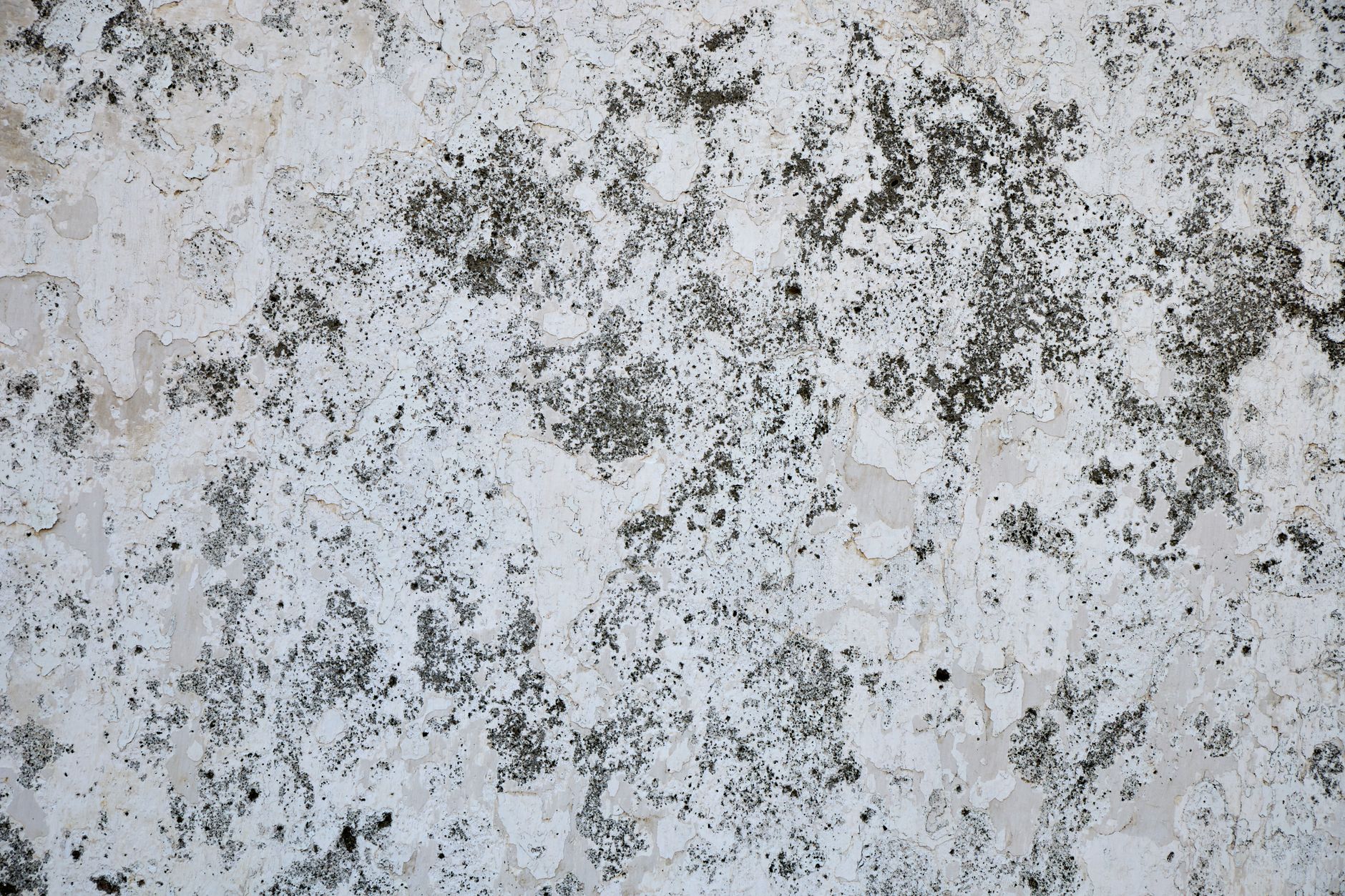
Just as you suspect, the best way to deal with staining of any type is quickness of action. The faster you react, the better the chances of resolving the issue.
Moreover, you have to be extra careful when tackling walls in rental properties, as that determines what kind of relationship you’ll have with your landlord.
More importantly, knowing how to remove stains on the wall can save you a ton of time and cash, and of course, stress. So, ready to get those walls looking sharp again? Let’s dive in!
Identify the Type of Stain
Naturally, different stains require different methods to clean them up.
For example, if you’re dealing with greasy spots from cooking, you’ll need a degreaser to be able to remove the oil. Or suppose you’re tackling ink stains from a leaky pen. You’ll need to blot those gently so they don’t spread everywhere.
Also, you have to determine how old and deep the stain is, too. Older stains are, of course, much trickier to clean and will require special attention.
The point is, once you know what you’re dealing with exactly, you’ll know the best way to clean it up. And, believe it or not, that’s half the battle.
Prepare the Area
Getting rid of stains is easier if you set things up right. First, push the furniture away from the walls so nothing gets damaged. After that, put some old towels or dust sheets on the floor to catch any spills.
Consider putting a tape around skirting boards and sockets to keep them dry. This way, you save time and keep things neat, making it easier to focus on cleaning without creating more mess.
Choose the Right Cleaning Solution
Next on the list, after determining the type of staining, comes picking the right cleaner for it. Different marks need different treatments, as you might have deduced already. Also, the type of wall matters too.
For general stains, just mix a bit of mild detergent or dish soap with warm water. If you’ve got tough ones like ink or grease, try baking soda or white vinegar—they work well and are eco-friendly.
For mould, it’s best to go with a special mould remover or a vinegar and water mix.
Before using anything specific, however, best test it on a small, hidden patch of the wall to make sure it won’t mess up the paint or wallpaper. You’ll maybe need to repeat the cleaning process several times to remove the mould, or just call in the pros to tackle it instead.
Use soft microfibre cloths or sponges to avoid scratching the surface. You don’t want your landlord to claim damages, do you? All in all, by picking the right stuff and testing first, you can keep your walls looking great without any damage.
Cleaning Techniques
It’s recommended you tackle stains bit by bit, using gentle circles to get the grime off instead of spreading it around.
Also, you’ll have to let the cleaner sit on the stain for a few minutes to do its thing. If the stain’s being stubborn, leave it a bit longer, but don’t drench the wall, or you might wreck the paint or wallpaper (or even risk mould).
Once you’ve cleaned up, it’s super important to rinse off any leftover cleaner. This prevents future dirt from accumulating and keeps your paint looking fresh. Just grab a clean cloth – microfibre ones work great, as we said– and wet it a bit.
Wipe down the area gently to make sure you get everything off. After that, dry the wall to avoid any dampness that might cause mould or leave marks. You could use a fan or just open some windows to help it dry quicker.
Paying attention to these steps keeps your walls looking good and helps them last longer.
How to Prevent Future Stains
Keeping your rental clean really pays off, but it can also really save you a hassle later on. For that purpose, try using furniture pads to stop chairs and tables from scratching up the walls. They’re simple to pop under the legs, too.
Also, consider installing some washable wall coverings—they come in all sorts of cool designs and add a bit of extra protection. Make sure to give heavy-traffic areas like hallways a regular cleaning–once a week is the bare minimum.
If you spot a new stain, it’s best to clean it up quickly so it doesn’t become a bigger problem.
Staying on top of wall cleanliness keeps them looking good and means less heavy cleaning down the line.
When to Call Professional Services
Sometimes, dealing with wall stains on your own just doesn’t cut it. For big or tricky stains, like ones from oil or mould, getting a pro might be smarter than doing it by yourself. They’ve got the gear and know-how to easily deal with tough stains without messing up your walls.
When you’re choosing a company, it’s best to get tips from friends or check online reviews to ensure you find someone reliable. Go for cleaners who’ve dealt with similar stains and use eco-friendly stuff, so it’s safe for the environment too.
You’ll want to get at least 3 quotes from potential companies to ensure you get the best prices. To make your final pick, call up each one and ask them all sorts of questions that come to mind, especially about availability and pricing. Some even offer insurance, which is nice to have.
All in all, bringing in a pro not only gets rid of stains but also saves you potential repair costs down the line. And for big, stubborn, or risky stains like mould, it’s best to call licensed mould removalists right away.
Lastly, if you’re short on time or tools, letting a professional take over can save you a lot of effort, giving you peace of mind and spotless results.
Conclusion
As you can see, dealing with persistent stains on your rental walls can be tricky, but not impossible. Use these tips, and you’ll have no problem. Your relationship with your landlord won’t suffer, nor will you risk any money if you approach this smartly.
It also pays off to know when the trouble’s bigger than you can handle on your own. That’s when calling in the pros can save you lots of stress and money.
Overall, we wish you the best of luck in restoring your walls to their former glory.


