
Heatwaves and high temperatures are becoming more frequent during summer, putting pets at risk of dehydration, heatstroke, and sunburn. As temperatures rise, pet owners must recognize the dangers and take steps to keep their animals safe. The RSPCA, Cats Protection, and Dogs Trust offer guidance on protecting pets during hot weather.
Protecting pets from the heat
Keep pets indoors during the hottest hours of the day, typically between 10am and 3pm. Ensure there is plenty of shade available both inside and outside the home. Fresh drinking water should be accessible at all times, and adding ice cubes to the bowls can help encourage pets to drink. Use wide bowls for drinking, placing them away from food and litter trays.
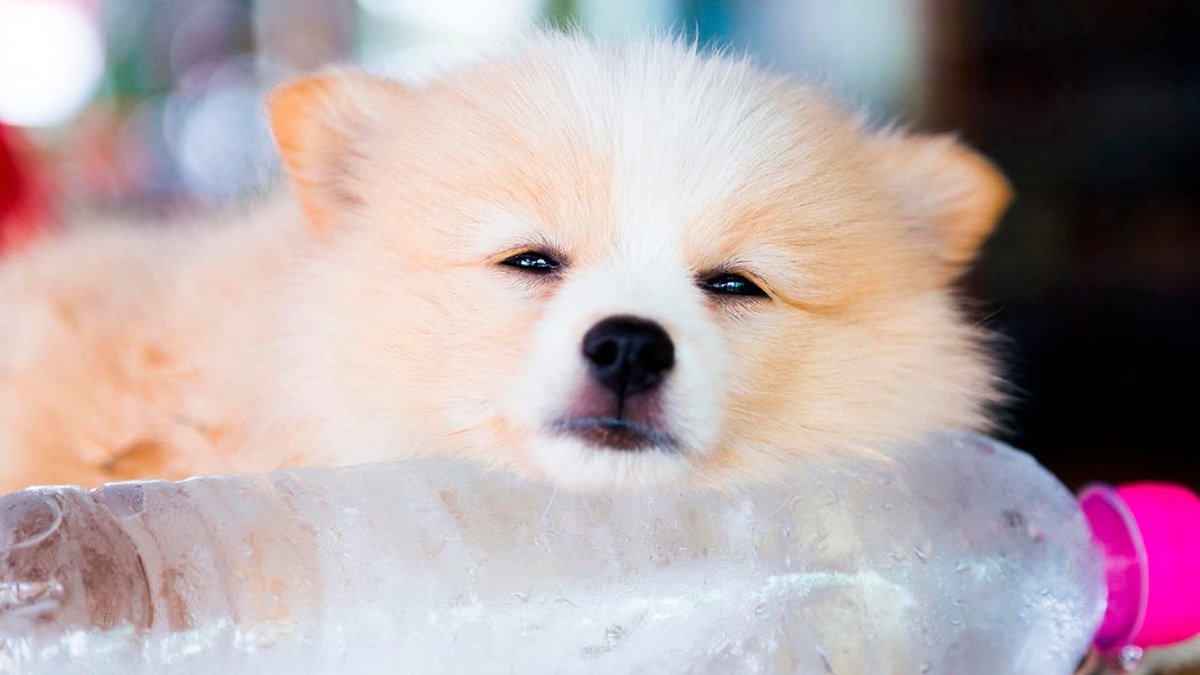
Ventilation is essential to keep the home cool. A fan can help circulate air, but windows should be secured so pets cannot escape or fall out. Cooling items, such as a frozen water bottle wrapped in a towel near the pet’s sleeping area, can provide relief. Cool floors, like tiled areas, are also useful for pets to lie on.
Read Also: Parkinson’s garden wins top public vote at Chelsea
Some pets are at higher risk for heat-related issues. Cats generally regulate their temperature well, but owners should still be vigilant. Certain dogs are more vulnerable to heat than people, including brachycephalic or flat-faced breeds like English Bulldogs, Pugs, and French Bulldogs. Older dogs, overweight dogs, and those with medical conditions are also at greater risk.
Exercise requires extra caution in hot weather. Dogs Trust advises that a missed walk is better than burnt paws. If the ground feels too hot for the back of your hand after holding it there for several seconds, it is too hot for your dog’s paws. Walk dogs during early morning or evening when temperatures are lower, sticking to grassy, shaded areas.
During heatwaves or exceptionally hot weather, it may be best to skip the walk altogether. To keep dogs stimulated indoors, use puzzle feeders, snuffle mats, or play calm training games. Watch for signs of irritability or frustration, and give the pet space to cool down if needed. Dogs without a garden should be taken to a grassy area for toilet breaks and returned home immediately.
Owners should also be aware of the risk of sunburn. Some pets can get sunburnt, particularly around the ears and nose, especially if they have white or thin fur. Repeated exposure increases the risk of skin cancer. Limit your pet’s time in direct sunlight and ensure they always have access to shade. Ask your vet about pet-safe sunscreen with SPF30 or higher for vulnerable areas. If you notice red, sore, blistering, or peeling skin, contact a vet as soon as possible.
Read Also: Bird experts urge seasonal changes to garden feeding to curb
Heatstroke can be life-threatening. The RSPCA notes that cats may love lounging in the sun, but extreme heat is just as dangerous for them as it is for humans. Dogs are much more vulnerable to heat than people. If you suspect heatstroke, contact a vet immediately.
Dogs Trust advises the “cool first, transport second” approach: stop any activity, move the pet to a cool, shady area, provide fresh water, and cool the dog with water that is cooler than their body temperature. Young, healthy dogs can be immersed in cold water, while older dogs or those with health conditions should be sprayed with cold water and cooled with ventilation or a fan. Never use wet towels over a pet, as this can trap heat.
Alternatives to using a hosepipe
Pet owners in areas under a hosepipe ban should not use water to fill a paddling pool or give their animal a quick spritz. The RSPCA suggests placing water bowls in every room for pets to sniff and discover, with ice cubes.


