
The updated recommendations, published in late May 2026, break from traditional guidance and address concerns over falling bird numbers, particularly among greenfinches, whose populations have shrunk by 67% since 1979—a decline representing over two million fewer birds across the UK.
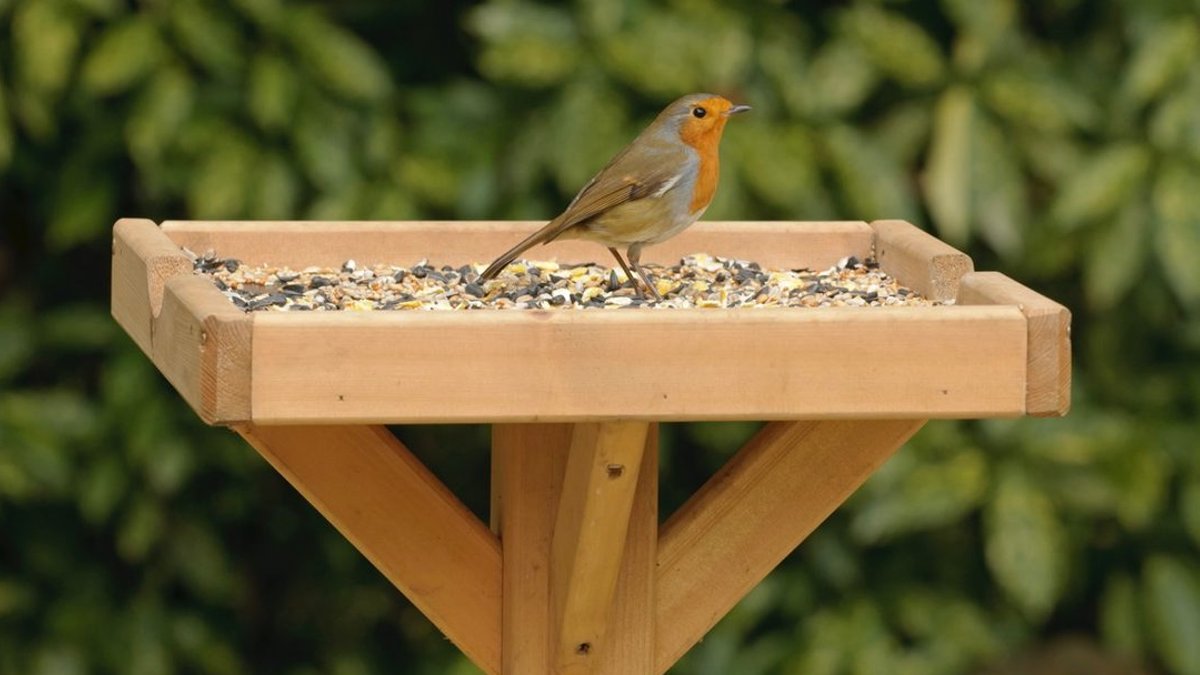
The new measures focus on trichomonosis, a parasite that spreads rapidly in warm conditions when birds gather at feeders. Flat feeders, which are widely used, are discouraged because they heighten disease transmission risks. Water sources must be refreshed daily with tap water and cleaned weekly to prevent contamination.
He warns that halving participation in bird feeding could push some species into overcrowded feeders, worsening disease spread just as young birds enter the population. Woods argues that a more precise solution is needed rather than a broad ban.
Why trichomonosis is wiping out finches
The shift is supported by research on Trichomonas Gallinae, the parasite responsible for trichomonosis. The organism thrives in warm, damp food, conditions that mirror a finch’s digestive system, allowing it to reproduce. Infected birds transmit the parasite through saliva when probing feeders, creating a cycle that has devastated greenfinch numbers. Chaffinches and bullfinches are also at risk, especially when feeding on the ground beneath traditional tube feeders.
Read Also: Fans back Adam Frost as top choice to replace Monty
“Feeding birds is something millions of us love and value,” she says, “but the science shows us that birds such as greenfinches have been affected by the spread of disease at feeders.” The charity notes that natural food sources peak in summer and autumn, suggesting most birds will adapt to reduced supplementary feeding.
Safer feeders and plant-based alternatives
Meanwhile, the Royal Horticultural Society (RHS) has stopped selling birdseed mixes and peanuts during summer months, aligning with the new advice. Helen Bostock, the RHS’s senior wildlife expert, recommends supplementing feeding with native plants that attract insects, a key food source for birds. Suggested additions include field scabious, sunflowers, and berry-producing shrubs like hawthorn and elder.
Finches Friend has introduced feeders designed to minimize disease risks, with products available since 2021. Woods stresses that feeder technology must improve to protect birds. The company’s feeders keep food dry and uncontaminated, though their adoption remains uneven across the UK.
Feeders must be cleaned weekly with hot, soapy water and disinfected with diluted bleach before relocation. This prevents parasite buildup, particularly in areas where birds perch or drop seeds. The RHS advises against placing feeders directly on soil or grass, as damp conditions accelerate parasite growth. Instead, feeders should be raised on a stand or hung from a hook to improve airflow and reduce contamination.


