
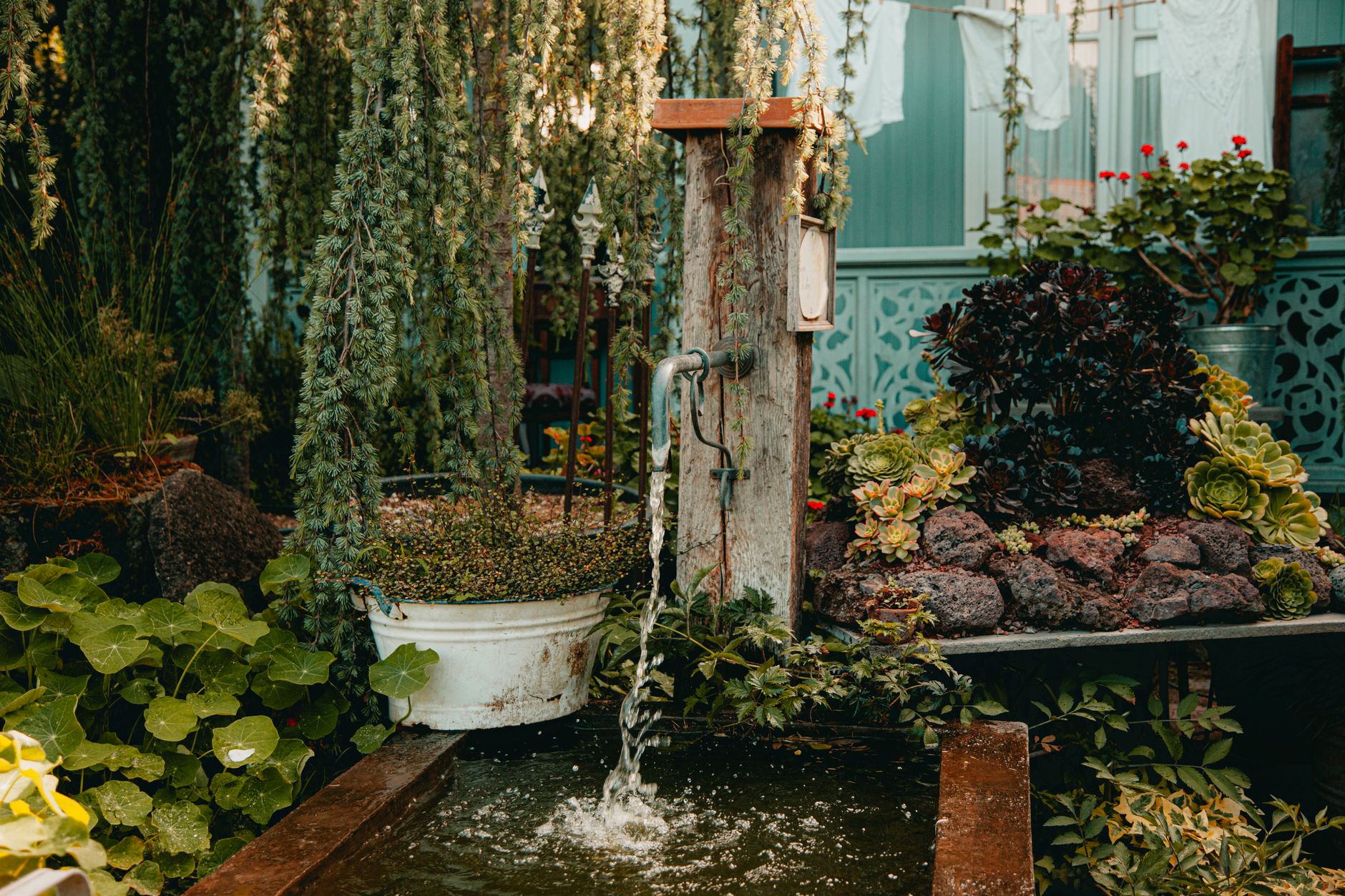
Providing safe water sources in a garden can support a wide range of wildlife, from hummingbirds to beetles, while preventing accidental drownings.
Simple adjustments that keep insects out of danger
Gardeners often use small containers such as “ant wells” to deter ants from reaching birdseed, but these dishes can become traps for bees and other insects. A single incident—finding a bumblebee dead in a cup intended for birds—highlighted the need for escape routes. Adding a short, rough‑textured stick to each water feature offers a grip for a bee to climb out, while still leaving enough space for a chickadee to sip.
Many bird enthusiasts already incorporate bumpy stones, angled sticks, or gravel into larger birdbaths to give larger birds footing. The same principle works for tiny water dishes. A piece of chicken wire placed inside a watering can, or a net over a water barrel, creates a barrier that keeps larger animals out while still allowing insects to perch and escape.
Designing a mosquito‑targeted bucket with a rescue ramp
One popular method for mosquito control involves filling a bucket with water and adding a few drops of dish soap. The technique drowns adult mosquitoes, but the creator of this approach also added a sloped wooden strip that serves as an escape ramp for any non‑target creature that falls in. The ramp’s gentle angle lets a beetle or spider crawl out, reducing unintended mortality.
Because the bucket’s opening is small, only mosquitoes can easily enter. The added ramp does not interfere with the bucket’s primary purpose, yet it demonstrates how a single modification can protect unintended visitors.
Natural water sources that need no modifications
Some plants release water through a process called guttation, producing tiny droplets on leaf edges at night. Species such as wild violet, columbine, tomato, kale, grapevine, jewelweed, and bee balm all display this phenomenon when soil moisture is high and humidity is favorable. The droplets are low to the ground and contain sugars and proteins, providing a safe drink for fireflies and other small insects.
Related: The Psychology of a Clean Bedroom: How Tidying Up Can Reduce Stress
Because guttation drops are minute, they do not pose a drowning risk. Observers often note fireflies gathering on these beads at dawn, effectively turning the garden into a miniature buffet without any added structures.
While the practical steps above are straightforward, the broader implication is that water availability often limits urban wildlife. By turning everyday objects into safer drinking stations, gardeners can create micro‑habitats that support biodiversity without extensive landscaping.
Maintaining clean water for birds and insects
Hummingbirds rely on sugar‑water during migration, yet they also consume insects for protein. Keeping feeders clean every two to three days helps prevent mold growth that could harm both birds and insects that visit the same source. Likewise, regular cleaning of birdbaths and other water dishes removes debris that could trap small creatures.
When designing a new water feature, consider the depth. Shallow dishes reduce the risk of drowning for tiny insects, while still offering enough volume for birds to bathe. Adding a few stones or a shallow ramp can create a gentle slope for creatures to climb out if they slip in.
Overall, the goal is to make water accessible without turning the garden into a hazard. Simple, low‑cost adjustments—such as inserting textured sticks, using netting, or employing natural plant guttation—can dramatically improve the safety of water sources for a diverse array of wildlife.
Enjoy the effort.


