
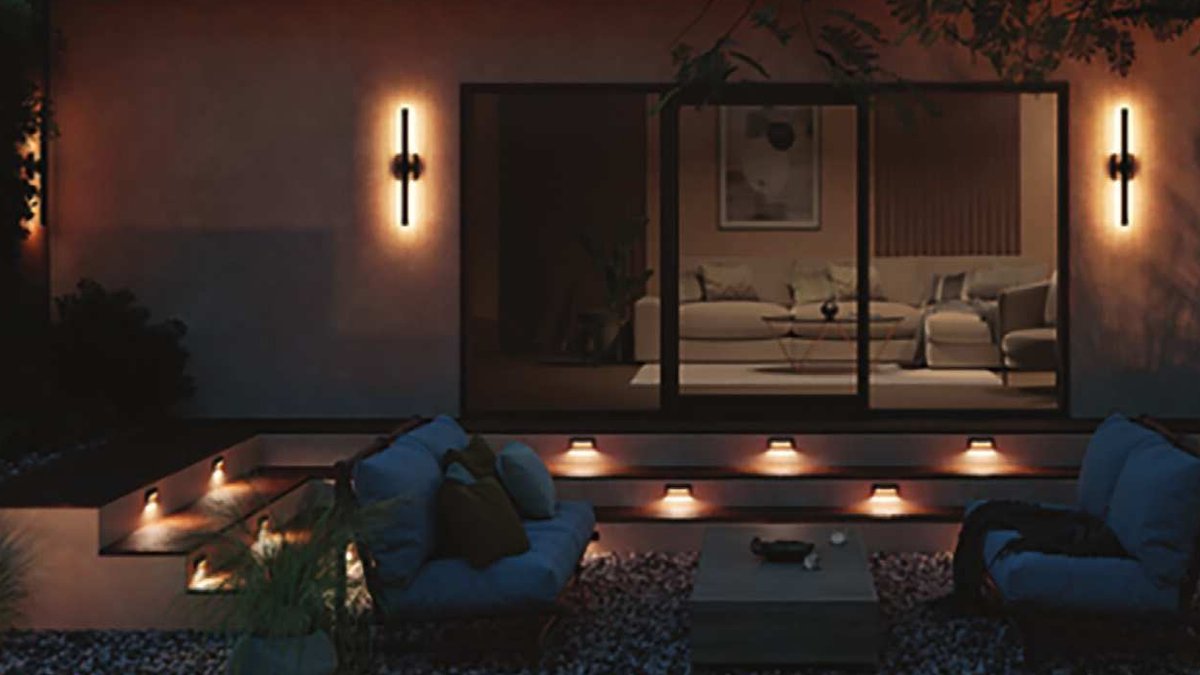
Across Canada, the night sky is vanishing. Artificial light spreads into rural areas, erasing stars and disrupting ecosystems that have relied on darkness for millions of years. A growing movement to protect dark skies is taking shape, supported by municipal bylaws, national parks, and local efforts to restore balance between human activity and nature.
The cost of wasted light
The issue extends beyond aesthetics. Light pollution—a hazy glow from poorly designed or excessive lighting—obscures views of the Milky Way and distant planets. It also wastes energy, adding to unnecessary greenhouse gas emissions. The biological effects run deeper. Nocturnal animals, including migrating birds and insects, rely on darkness to find their way, hunt, and reproduce. Plants follow natural light cycles for growth and seasonal changes. When those cycles break, ecosystems change in ways scientists are still studying.
People are affected too. Artificial light at night reduces melatonin production, a hormone essential for sleep and well-being. Research links prolonged exposure to higher risks of sleep disorders, metabolic problems, and even certain cancers. Beyond physical health, the night sky has long served as a source of inspiration, connecting people to the universe. Its loss diminishes a shared cultural legacy.
How communities are fighting back
The answer isn’t eliminating all lighting. Instead, it involves using light more carefully. Fully shielded fixtures direct illumination downward, cutting sky glow. Timers and motion sensors ensure lights operate only when necessary. Small adjustments, such as red filters on flashlights, help maintain night vision without sacrificing safety.
Related: Garden guides six plants lure helpful insects
Canada has emerged as a leader in dark-sky protection. Parks Canada establishes Dark-Sky Preserves, where lighting is strictly controlled to reduce pollution. Municipalities are passing bylaws to limit unnecessary outdoor lighting, especially in residential and commercial areas. In cottage country, where families gather under star-filled skies, these measures go beyond conservation—they aim to preserve a sense of wonder that feels increasingly scarce.
Preserving darkness matters because it, like clean air or water, is a vital resource. Its loss affects ecosystems, human health, and cultural identity. The next challenge is expanding these efforts beyond protected parks into everyday spaces—suburbs, farms, and small towns where light pollution often goes unnoticed.
For many, the night sky fades into the background of daily life, unnoticed until it disappears. But in places where the Milky Way still stretches overhead, the contrast is clear. The real test is whether enough people will value darkness before it’s too late.
Starting at home can make a difference. Swapping an unshielded porch light for a downward-facing fixture won’t solve the problem alone, but it moves toward a larger goal: showing that progress doesn’t always require more light—sometimes, it just requires better lighting choices. Thoughtful design can also enhance outdoor living spaces without increasing light pollution.


