
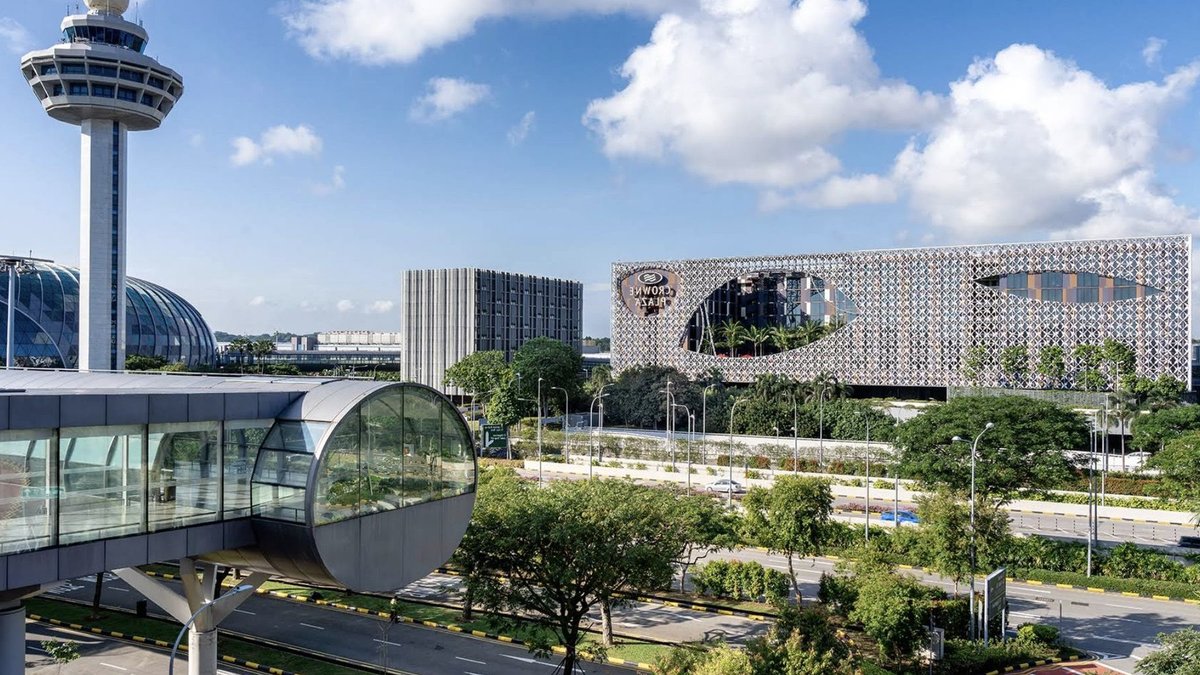
Hotel investment activity across the Asia Pacific region hit its highest level in seven years during the first nine months of 2026, with total sales reaching US$12.0 billion, according to a new analysis by JLL. The figure marks the largest nine-month transaction volume since 2019.
Through September, the region’s investment total represents a 50% increase compared to the same period in 2025. JLL now anticipates the sector will conclude the year with approximately US$15.0 billion in deals, exceeding the US$13.3 billion projection made at the start of 2026.
Nihat Ercan, CEO of JLL Hotels & Hospitality Group for Asia Pacific, attributes this year’s surge to robust market conditions. The region’s revenue per available room (RevPAR) climbed 5% year-over-year, supported by rising average daily rates. Additionally, accessible financing terms have provided investors with ample liquidity and competitive borrowing options, facilitating deal closures.
Japan maintained its position as the region’s dominant hotel investment market, accounting for 39% of total transactions. Mainland China and Australia followed as key contributors to the sector’s growth.
Read Also: Marina One Residences Sellers Incur Median Loss of $339K
Singapore Sees Record Hotel Investment Activity
Singapore experienced its highest hotel investment volume since 2019, with US$860 million in transactions recorded between January and September. Foreign investors accounted for 54% of this activity—double the share observed in 2025.
Three major transactions accounted for the bulk of Singapore’s $1.1 billion in hotel sales this year. The largest was OUE REIT’s sale of Crowne Plaza Changi Airport for S$500 million. The 575-room property is connected to Changi Airport Terminal 3 and Jewel Changi Airport, enhancing its appeal.
The buyer is a partnership between OUE, the sponsor of OUE REIT, and Tokyo Century Corporation, a Japanese financial services firm. In May, CapitaLand Ascott Trust sold The Robertson House, a 336-room luxury hotel along Robertson Quay, to a mainland Chinese investor for S$360 million.
The third significant deal involved the Orchid Hotel, a 272-room, 20-storey property near Tanjong Pagar MRT. Its developer sold the asset for S$273 million to a joint venture led by Master Contract Services, a Singapore-based construction company. JLL notes that Singapore’s hotel investment volume for the first nine months already surpassed the full-year total from 2025.
The firm expects the country’s total to reach approximately US$1.3 billion by year-end. These transactions reflect differing motivations among buyers and sellers. Many sellers are participating in broader asset divestment strategies, using proceeds to reduce debt or reinvest in other opportunities. Meanwhile, buyers have been drawn to Singapore’s reputation as a stable investment destination and its relatively low interest rates.
Read Also: 57-Year-Old Condo Owner Weighs Mortgage-Free Retirement Options
However, hotel performance in Singapore has remained stagnant over the past two years. The Singapore Tourism Board (STB) reported that RevPAR declined 0.4% in 2025 compared to 2024, primarily due to a 1% drop in average room rates.
Foreign Investors Drive Singapore Demand
Tourism arrivals in Singapore also showed signs of weakening. The first eight months of 2026 saw 11.43 million international visitors, a 1.7% decrease year-over-year, according to STB data. Despite these trends, JLL maintains that Singapore’s hotel market fundamentals remain solid, supported by limited new supply, steady demand, and its status as a safe-haven asset.
The firm highlights that current investor interest is strongest for properties with high repositioning potential, co-living conversion opportunities, and leasehold structures offering competitive yield spreads. Foreign buyers have significantly increased their participation, now representing 54% of Singapore’s hotel investment activity.
Tan Ling Wei, executive vice president of investment sales at JLL Hotels & Hospitality Group Singapore, states that “Broader deal flow will depend on sellers showing greater pricing flexibility.” This suggests that more transactions may require compromise between buyer and seller expectations.
Japan led the Asia Pacific region in hotel investment volume for 2026, with US$4.7 billion in transactions—39% of the regional total. Mainland China and Australia followed, contributing 15% and 11%, respectively. JLL describes Japan’s hotel market as mature, with deep domestic capital, strong foreign interest, and a constrained supply of premium properties.
Read Also: CapitaLand Leads Record $1.8bn Bid for Jurong East
Affordable financing further enhances Japan’s attractiveness, as the country maintains some of the region’s lowest borrowing costs, despite recent increases. These rates improve the financial viability of high-performing assets and reduce risks associated with developing new hospitality concepts. Beyond major cities like Tokyo and Osaka, investment activity is expanding into secondary markets such as Fukuoka, Sapporo, and Nagoya.
JLL forecasts that Asia Pacific hotel transaction volumes will decrease to about US$13.7 billion in 2027, following an expected peak of US$15.0 billion in 2026. However, the firm anticipates continued deal activity in 2027, with a survey of 120 investors and owners indicating strong interest in Japan, South Korea, Australia, Singapore, and India.
Most respondents, 88%, indicated a preference for high-income-generating assets, such as traditional hotels and upper-upscale properties. JLL identifies several potential risks, including persistent geopolitical tensions and volatile interest rates across the region.
Market Challenges and Outlook
Rising borrowing costs affected 63% of investors this year, compressing returns. The persistent 6% bid-ask spread between buyers and sellers, unchanged from 2025, could prolong deal negotiations if it fails to narrow.


