
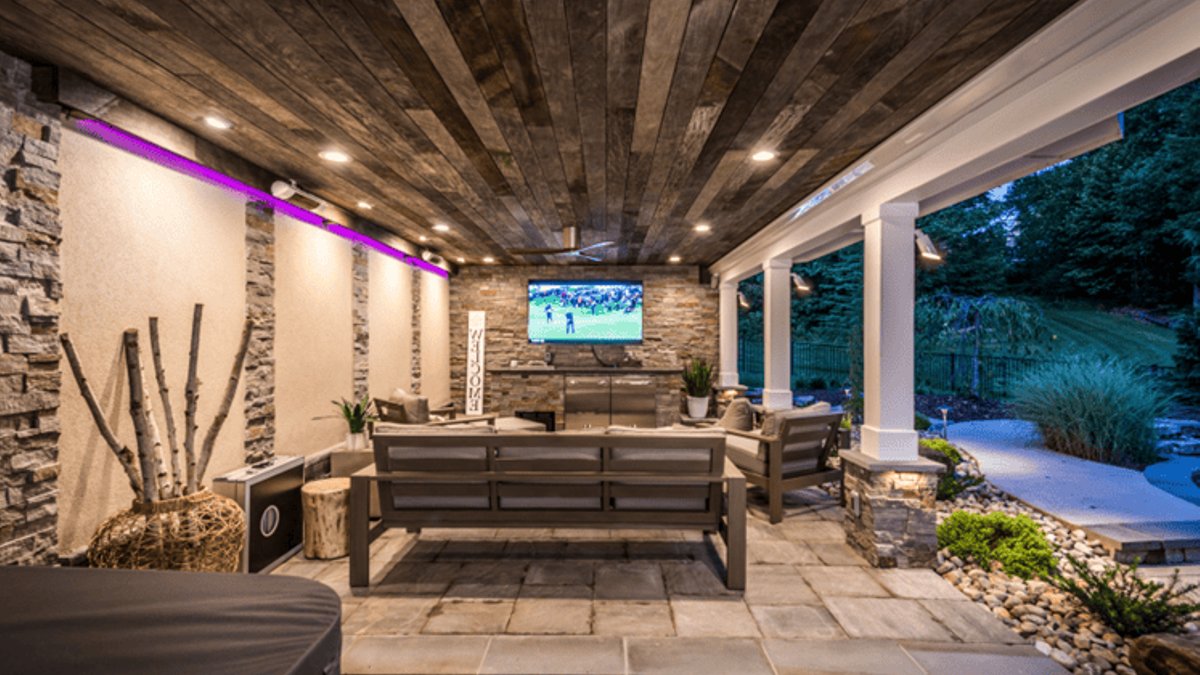
Waterproofing decks and the spaces beneath them has become a priority for homeowners who want to use outdoor areas year‑round without fearing moisture damage.
Materials and Their Limits
Choosing the right material is the first step. Wood, while naturally water‑resistant, often needs sealants or stains to survive prolonged exposure. Aluminum offers a fully waterproof surface, but its rigidity makes cutting and fitting more challenging for DIY projects. PVC provides a waterproof, low‑maintenance option, though its synthetic look can clash with natural surroundings. Composite decks are typically water‑resistant; many manufacturers add caps to improve durability, but the underlying core may still absorb some moisture.
Understanding the distinction between “waterproof” and “water‑resistant” is essential. A waterproof product should not let any water pass through, whereas a water‑resistant one will still allow some absorption. This nuance influences both cost and longevity.
Drainage Systems: Below vs. Above Joists
Effective drainage prevents water from pooling under the deck, which can rot wood and promote mold. Two main configurations exist. Below‑the‑joist systems sit under the deck frame, making them easier to retrofit on existing structures. However, they leave the joist wood exposed to any moisture that seeps through the decking.
Above‑the‑joist systems install drainage channels between the joists and the deck boards. This arrangement offers better long‑term protection and a cleaner appearance, though installation can be more involved. Products such as Trex® RainEscape® illustrate how a prefabricated system can simplify the process while delivering reliable performance.
In practice, the choice often hinges on the deck’s age and the homeowner’s willingness to undertake a more extensive renovation. A simple retrofit may suffice for a newer deck, while an older structure could benefit from the added barrier an above‑joist system provides.
Related: Traditional French Bathroom Reimagined
Supplemental Solutions: Gutters, Soffits, and Coatings
Gutters mounted around a deck’s perimeter channel rain away from the underlying structure. Proper pitch and regular cleaning are critical; debris can quickly block flow. Gutter guards—mesh or foam inserts—help reduce maintenance, though they add expense.
Under‑deck ceilings, or soffits, provide a finished look and an extra moisture barrier. Aluminum soffits resist rust and warping, offering a durable finish. Vinyl alternatives are cheaper and easier to install but may sag or discolor over time and are not fully watertight, limiting their use where lighting or fans are planned.
Deck flanges, made of rubber or plastic, sit between deck boards to direct water away. They work well in regions with light to moderate rain but may require cutting into the decking, potentially weakening the board if not done carefully.
Liquid deck coatings present a quick, cost‑effective option. These polymer‑enhanced paints create a surface that beads water, reducing runoff through the deck. However, they need reapplication every few years, especially in high‑traffic or heavily exposed areas.
Comparing these methods to past building practices shows a shift toward combined systems rather than piecemeal fixes. Earlier homes often relied solely on roof overhangs, which left the deck vulnerable to water infiltration. Modern designs tend to blend drainage, barriers, and protective finishes for a full approach.
When properly installed, a waterproof deck can turn the area below into functional storage, an outdoor kitchen, or even a sunroom. The key is matching material choice with an appropriate drainage strategy and maintaining any supplemental systems.


